Thursday, August 11, 2016

Classification of Cupping Therapy: A Tool for Modernization and Standardization


Cupping research 

Classification of Cupping Therapy: A Tool for Modernization and Standardization

 Abdullah Mohammed Al-Bedah1, Tamer Shaban Aboushanab2*, Meshari Saleh Alqaed2, Naseem Akhtar Qureshi2, Imen Suhaibani2, Gazzaffi Ibrahim2 and Mohammed Khalil2

Abstract
Cupping therapy is one of the oldest healing methods and practiced by ancient Chinese, Egyptians and Greeks. There are many types of cupping therapy and recently, practitioners and researchers have added more types to the practice of cupping. This research aimed to classify types of cupping to help in modernization and standardization of cupping therapy. This proposed classification of cupping therapy that might guide researchers stay organized, help them to differentiate and compare various types, raise their knowledge of cupping and precisely clarify cupping types terms  and methods related to research in future. The proposed classification of cupping into six main categories will also help the field of cupping therapy in uniform training of concerned therapists.

Keywords :

Cupping therapy; classification; cupping research; training; standardization; modernization.
Tuesday, August 9, 2016

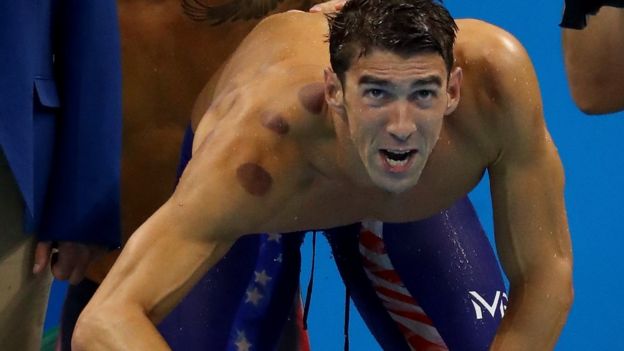
Michael Phelps, USA Olympic athletes and cupping in Rio 2016


Cupping Therapy the ancient practice embraced by U.S. Olympic athletes

Links to important news about cupping in Rio 2016:


Live Scince
Michael Phelps' Weird Bruises: Does Cupping Therapy Really Work?


Vox
Michael Phelps uses cupping to ease his muscle pain. What does science say?


BBC
Why are so many Olympians covered in large red circles?


Independent
Rio 2016: What is ‘cupping’ and why are Olympic athletes doing it?


Time
http://time.com/4443105/cupping-rio-olympics-michael-phelps/

People
What Is Cupping Therapy? Why Michael Phelps and Gwyneth Paltrow Put Their Faith in the Ancient Technique

Monday, March 17, 2014

Dr Tamer's Classification of cupping therapy types

Dr Tamer's Classification of cupping therapy types:

Cupping therapy types can be classified into five main types, technical types which include dry, wet, massage and flash cupping therapy. The second is power of suction related types which include light, medium and strong cupping therapy. The third is method of suction related types which include fire, manual suction, and electrical suction cupping therapy. The fourth is materials inside cups related types which include herbal, water, ozone, moxa, needle and magnetic cupping therapy, the five is according to the area treated which include facial cupping, Pedi cupping, abdominal cupping, female cupping, orthopedic cupping.

To Cite this classification please use: 

Dr Tamer Shaban - Cupping Therapy Encyclopedia - CreateSpace Publishing - ISBN-13: 978-1494780517 - 2014

Cupping Therapy Encyclopedia news update

Cupping Therapy Encyclopedia


Cupping Therapy Encyclopedia describes the history, methods and techniques of cupping therapy and provides practical guidelines for cupping therapy home use and professional practice. It provides a new classification of cupping therapy types and uses a new classification of cupping therapy points. It looks closely at issues of mechanism of action, side effects, treatment programs and safety. Cupping Therapy Encyclopedia contains many of clear illustrations and provides a practical guideline for treating many of common diseases. Cupping Therapy Encyclopedia includes new scientific researches and clinical examples. This book can serve as a useful reference for complementary and alternative medicine therapists, medical physicians, medical students, healthcare professionals and people interested in self-care and treatment.


It is now available on:

Amazon.com


Kindle


iTunes


Nook

Sunday, January 26, 2014

Download Now The The World Health Organization Traditional Medicine Strategy 2014–2023


The World Health Organization Traditional Medicine Strategy 2014–2023 was developed and published in response to the World Health Assembly resolution on traditional medicine (WHA62.13). The strategy targets to help Member States in developing proactive policies and implementing action plans which will increase the role traditional and complementary medicine plays in keeping populations healthy.

Addressing the challenges, dealing with the needs recognized by various countries and building on the work done under The World Health Organization traditional medicine strategy: 2002–2005, the updated strategy for the period 2014–2023 gets more attention than its predecessor to prioritizing health services and systems, including traditional and complementary medicine products, practices and practitioners.

It was published in 6 different languages. It was published in Arabic, English, Spanish, Chines, Russian and French.

Download your copy now
http://www.who.int/medicines/publications/traditional/trm_strategy14_23/en/index.html